













The fact that a right mattress is essential for back health is actually true.
If you wake up stiff, sore, or struggling to get out of bed, you’re not alone. Back pain affects millions of Australians, from office workers hunched over laptops to tradies lifting heavy loads. According to Healthdirect, about 8 in 10 Australians experience non-specific low back pain, which, doubtlessly, is a very high ratio.
While lifestyle, posture, and physical activity all play a role, your mattress may be the biggest factor influencing your back health. A mattress that supports your spine and muscles can reduce pain, improve sleep quality, and help you wake refreshed.
That’s where Amart’s collection of mattresses comes in. Here, we understand that the “right mattress” isn’t just about comfort, it’s about support that suits your body, your sleep style, and your lifestyle. So, with this guide, we have broken down what to look for when shopping for a mattress if you suffer from back pain.
Can a mattress worsen back pain?
A mattress that doesn’t suit your body can actually make back pain worse. When it fails to support your spine properly, you may wake up stiff or sore.
- Too soft: Hips or shoulders sink in, curving your spine unnaturally and straining muscles.
- Too firm: Pressure builds on hips, shoulders, and lower back, causing discomfort.
Over time, sleeping on the wrong mattress can aggravate existing pain, affect sleep quality, and even lead to chronic issues. Like Goldilocks, finding a mattress that’s “just right” is crucial for keeping your spine healthy.
Amart have curated their SleepZone to match the person with their perfect mattress. This way you can prevent choosing the wrong mattress, and ensure your mattress supports your body when sleeping, not makes your back pain worse.
What type of mattress is best for back pain?
The best mattress for back pain depends on your sleep position, body weight, and personal comfort preferences. For many people, a medium-firm mattress provides the balance of support and cushioning needed to relieve strain on the spine.
If you sleep on your back, stomach, or side, or switch positions during the night, your ideal mattress will vary. Knowing the differences can save you from trial-and-error and help you find a bed that truly supports your back.
To know more about which mattress is ideal for your sleep or lifestyle, read our buyer’s guide to mattresses.
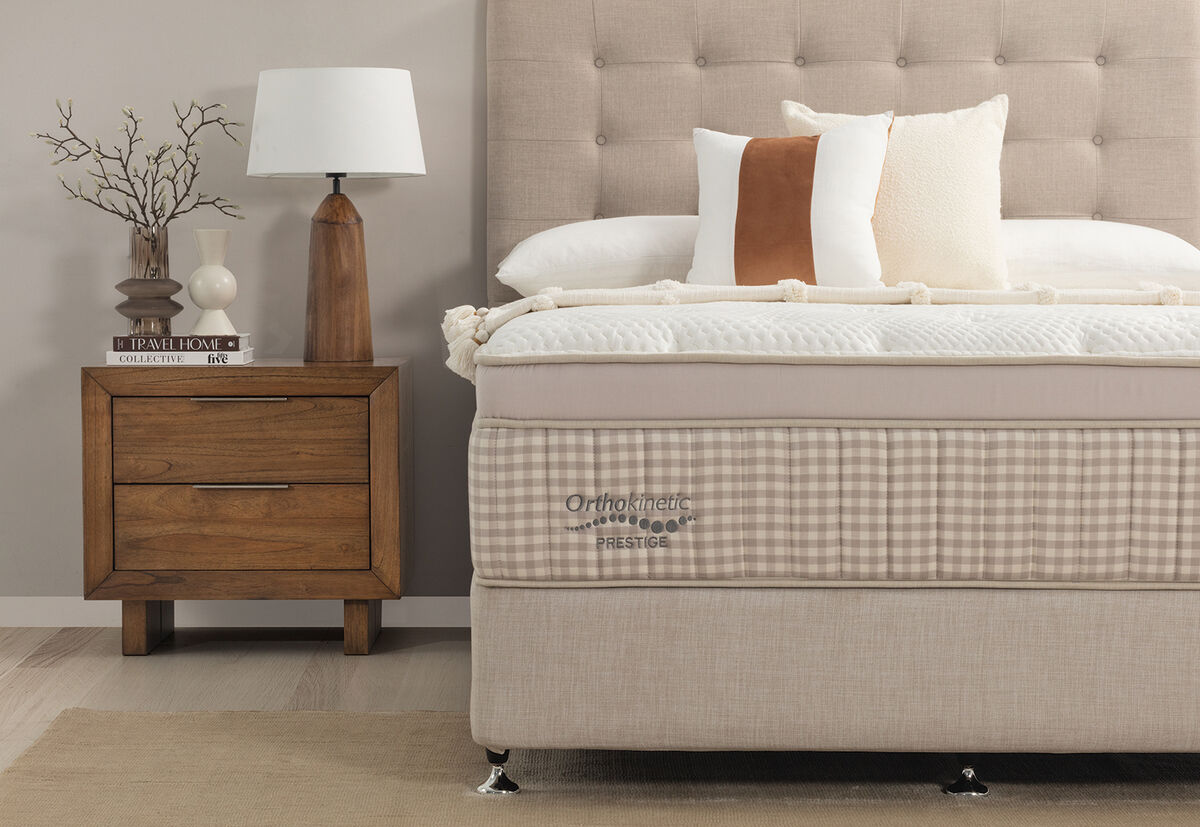
Choosing the right mattress firmness and materials
Picking the right mattress isn’t just about comfort; it’s about keeping your spine supported night after night. The two biggest factors to consider are firmness and materials.
Firmness Level (1 to 10 Scale):
- 1-3 (Soft): Best for lightweight side sleepers who need extra cushioning.
- 4-6 (Medium): Offers a balance of support and comfort for most sleepers.
- 7-10 (Firm): Ideal for back or stomach sleepers and anyone needing solid support.
Materials to consider:
- Memory foam: Contours to your body, reduces pressure points, and keeps your spine aligned.
- Latex: Naturally firm and responsive, providing durable support.
- Hybrid mattresses: Combine foam and springs for a perfect balance of comfort and support.
- Innerspring: Traditional coil systems give firm support but may not contour side sleepers well.
Looking to find out the mattress that’s just right for you? We recommend that you visit the Mattress Firmness Guide blog to see which level suits your sleep style best.
How to select a mattress that’s perfect for your sleep style?
Choosing the right mattress doesn’t have to be complicated. Just think about how you sleep because your position really affects the kind of support your body needs. Remember that the right mattress can keep your spine aligned, relieve pressure points, and stop morning aches before they start.
Here’s a quick guide based on sleep positions:
- Back sleepers: Medium-firm mattresses support your lower back while allowing your spine’s natural curve. Placing a pillow under your knees can reduce lower back strain.
- Side sleepers: Softer mattresses with memory foam or hybrid layers cushion shoulders and hips. A pillow between your knees helps keep your spine aligned.
- Stomach sleepers: Firmer mattresses prevent your hips from sinking and straining your back. This position is generally less recommended for long-term back health.
- Combination sleepers: Memory foam or hybrid mattresses adjust to different positions, maintaining support no matter how often you shift during the night.
Note: Finding the right mattress for your sleep style is just the first step to waking up refreshed and pain-free. Pairing it with the right pillow can provide additional support to your body, ultimately enhancing your comfort.
To learn more about choosing the perfect mattress firmness, check out our Mattress Firmness guide. And don’t forget to see our tips on picking the ideal pillow in the Amart Pillow Bar for complete support from head to toe.
Mattress buying tips and daily habits to support back health
Buying a mattress is a significant decision, especially for individuals who suffer from back pain. Here are a few tips to ease your decision while adding a new mattress:
Test our mattresses in store
Spend at least 10-15 minutes in the store, exploring and testing different types of mattresses available. We recommend that you visit Amart’s SleepZone for an even better experience and a wider variety of mattresses suitable for every type of sleeper.
Consult with the specialists
A decision is best made with proper consultation from experts or specialists. So, you can visit the nearest Amart store and talk to our specialists. Our team will always be more than happy to help you get your hands on the most comfortable mattress.
Think long-term
A durable mattress that provides consistent support will keep your spine aligned night after night. Short-term comfort is nice, but lasting support is what truly protects your back.
Use pillows strategically
Placing one under your knees, neck, or between your legs can help keep your spine aligned and relieve tension. Small adjustments like these can make a big difference in how your back feels in the morning.
Healthy sleep habits complement a supportive mattress:
- Daily stretches: Gentle back and hip stretches reduce stiffness.
- Stay active: Walking, swimming, or yoga strengthens core muscles.
- Posture awareness: Correct sitting and standing posture reduces strain.
- Stress management: Tension in muscles worsens with stress.
- Healthy weight: Reduces pressure on the spine.
Frequently Asked Questions
Which type of mattress is best for back pain?
If back pain is bugging you, a medium-firm mattress is usually your best bet. Foam or hybrid styles often give the right balance of support and comfort.
What to look at when buying a mattress?
Think about how firm or soft you like it, and how you usually sleep. It’s also smart to check durability, warranty, and return options.
How do you know if your mattress is affecting your sleep?
Waking with stiffness, soreness, or restless nights often signals mattress issues. Visible sagging or uneven support is another clue. If pain improves when sleeping elsewhere, your mattress may be the cause. Consistent discomfort means it’s time to replace it.
How to sleep if your back hurts?
Side sleepers should use a pillow between knees. Back sleepers benefit from a pillow under the knees.