












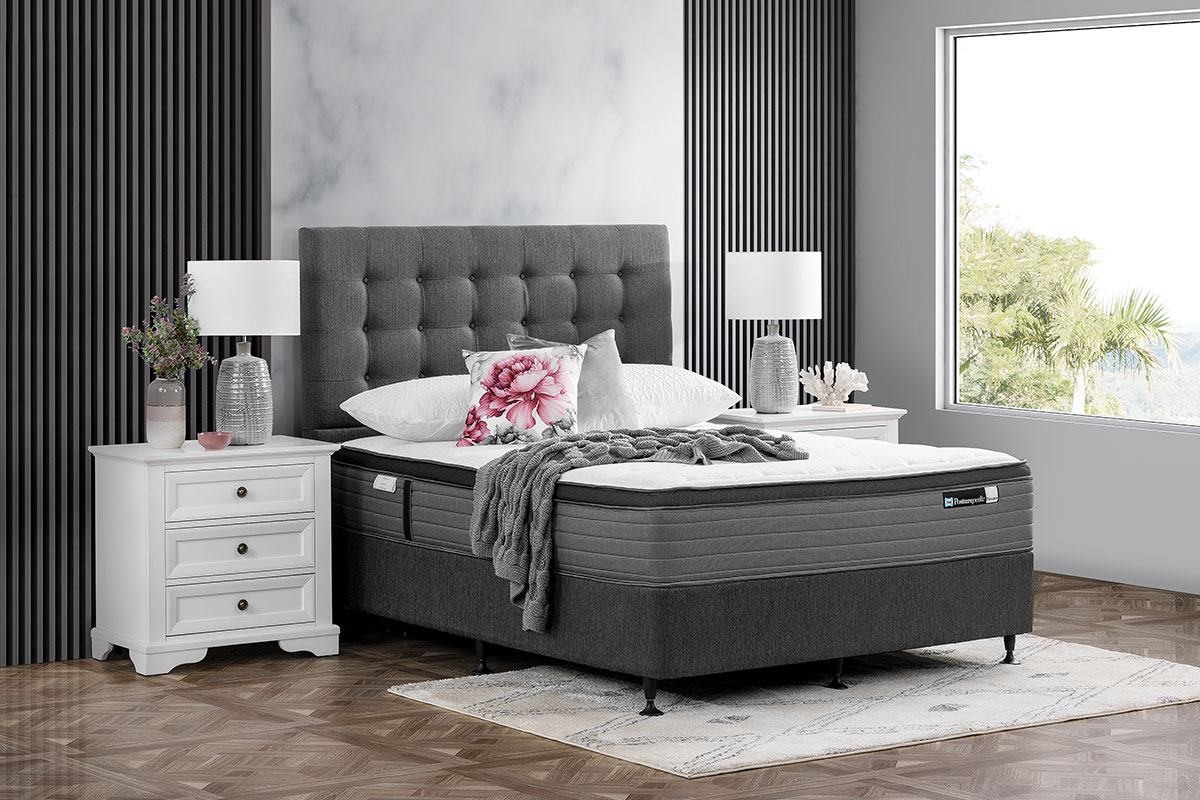
Buying a mattress affects your sleep, your back, and your budget for the next decade. Get it wrong, and you're stuck with regret, discomfort, and money down the drain.
We’ll walk you through how to buy a mattress online or in-store. From measuring your space to spotting sales, you'll learn the hacks Australian shoppers use to make smarter decisions and avoid costly mistakes.
What happens when you rush a mattress purchase?
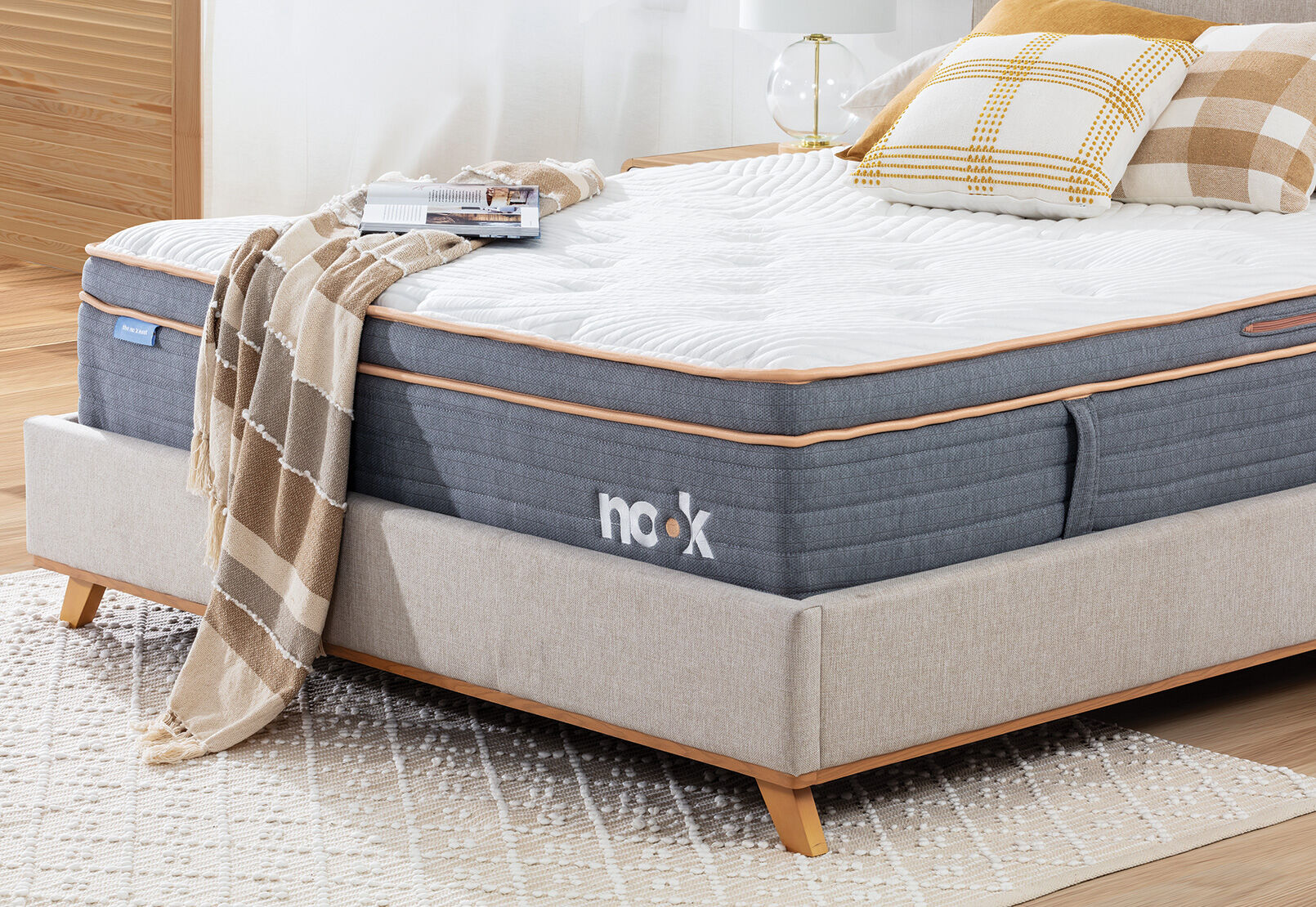
Buying in a hurry might save time, but it often costs you comfort. A good night’s sleep depends on more than just luck. It starts with the right planning and a quality mattress that suits your life.
The perfect mattress isn’t one size fits all. It comes down to personal preference, your sleep habits, and a few smart checks along the way. That all starts with knowing your space, so let’s talk measurements.
Step 1: Measure your space before you shop
Before you fall in love with a mattress, you need to know it will actually fit. Measuring your space now saves you from delivery day disasters later.
Grab a tape measure and follow these steps:
- Measure the full length and width of your bedroom in centimetres.
- Measure your current bed frame or base if you're keeping it.
- Check all entry points, including doorways, hallways, and stairs.
- Write down the dimensions for any bed bases or an adjustable bed.
Leave at least 60cm of space around the bed so you can move comfortably. Think about storage access and clearance for drawers or underbed containers. And when choosing between a single mattress, king single, queen mattress or super king, balance your sleep style with how much space you actually have.
Step 2: Decide on a budget
Setting a budget before you shop keeps you focused and prevents overspending. Factor in the cost of your new mattress plus delivery, a mattress protector, and any extras like pillows or bed bases.
A high-quality mattress is an investment in durability and better sleep, so don't just chase the lowest price. Amart stocks trusted options from mattress brand names like Sealy, Orthokinetic, and more across different price points. Trading in your old mattress can also help offset costs.
Once you know what you can spend, it's easier to narrow down which type suits your needs.
Step 3: Know what type of mattress you need
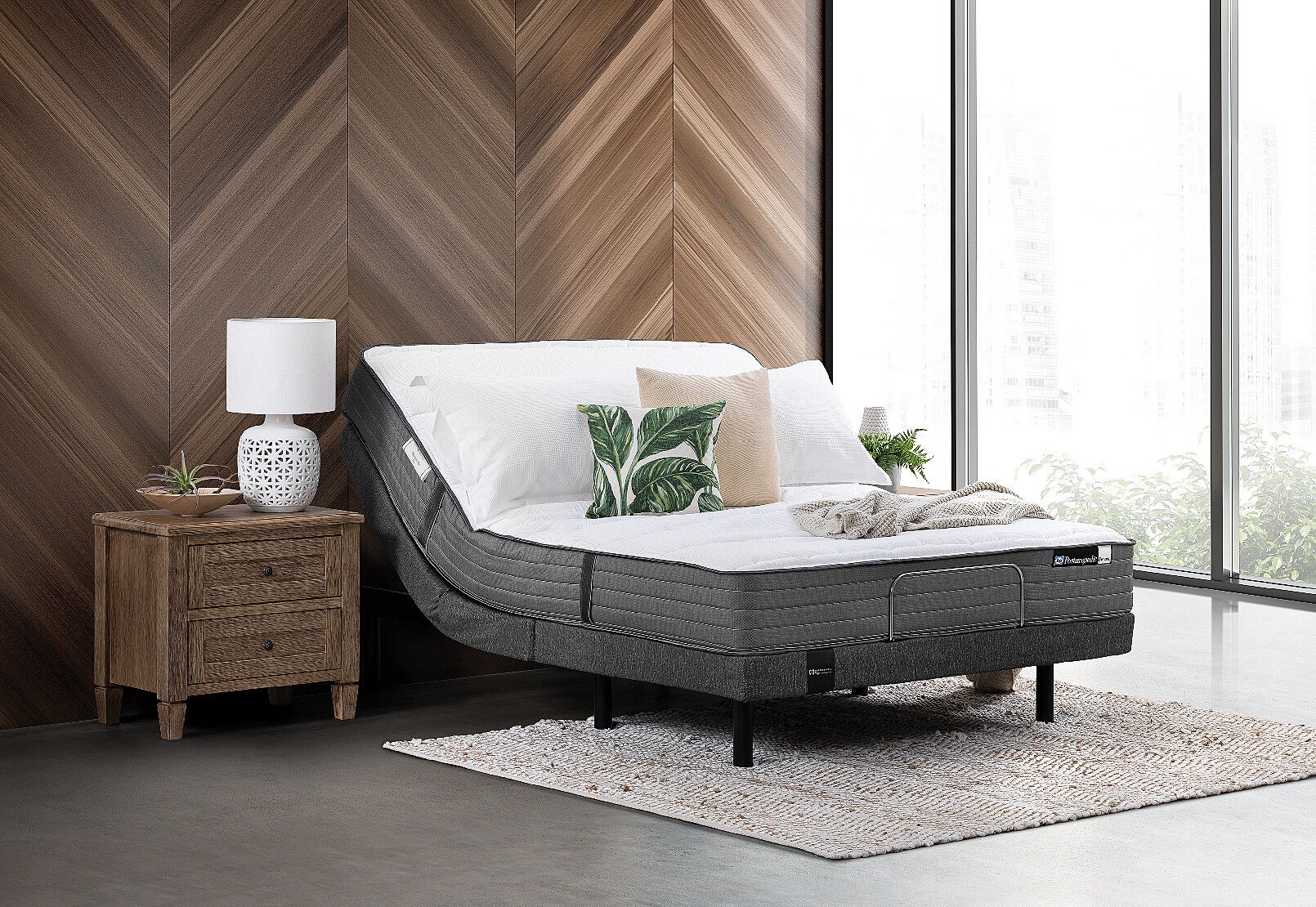
Knowing the right type of mattress for your body and sleep habits helps you shop with confidence. It also makes testing in store feel less overwhelming.
Each material feels different, so it’s worth getting familiar with the main options before you try them out.
- Innerspring mattresses: Supportive and responsive, with pocket springs that help reduce partner disturbance.
- Memory foam mattress: Offers contouring comfort that moulds to your body shape.
- Foam mattress: Lightweight and affordable, often found in a mattress in a box.
- Hybrid mattress: Combines pocket springs and foam for support with a cushioned top.
- Latex mattress: Naturally breathable and ideal if you prefer a firmer feel.
- Pillowtop mattress: Adds a soft, cushioned layer for extra comfort on top.
For a deeper breakdown of each type, check out our in-depth mattress buying guide.
Step 4: Test mattresses like a pro
You can’t judge a mattress with a quick sit and a bounce. Real testing takes time and attention to detail.
Take the pressure off with these easy checks next time you're in-store.
- Lie on each mattress for at least 10 minutes to get a true feel.
- Try your usual sleeping position and shift around to test support during movement.
- Ask about the comfort layer and what firmness level it’s designed for.
- Compare a soft mattress, medium-firm, and extra firm mattress to feel the difference.
- Don’t be shy. Ask staff which one they’d call the best mattress for your sleep needs.
And remember, even the best pick in-store should come with a return policy that gives you peace of mind.
Step 5: Understand the warranty and return policy
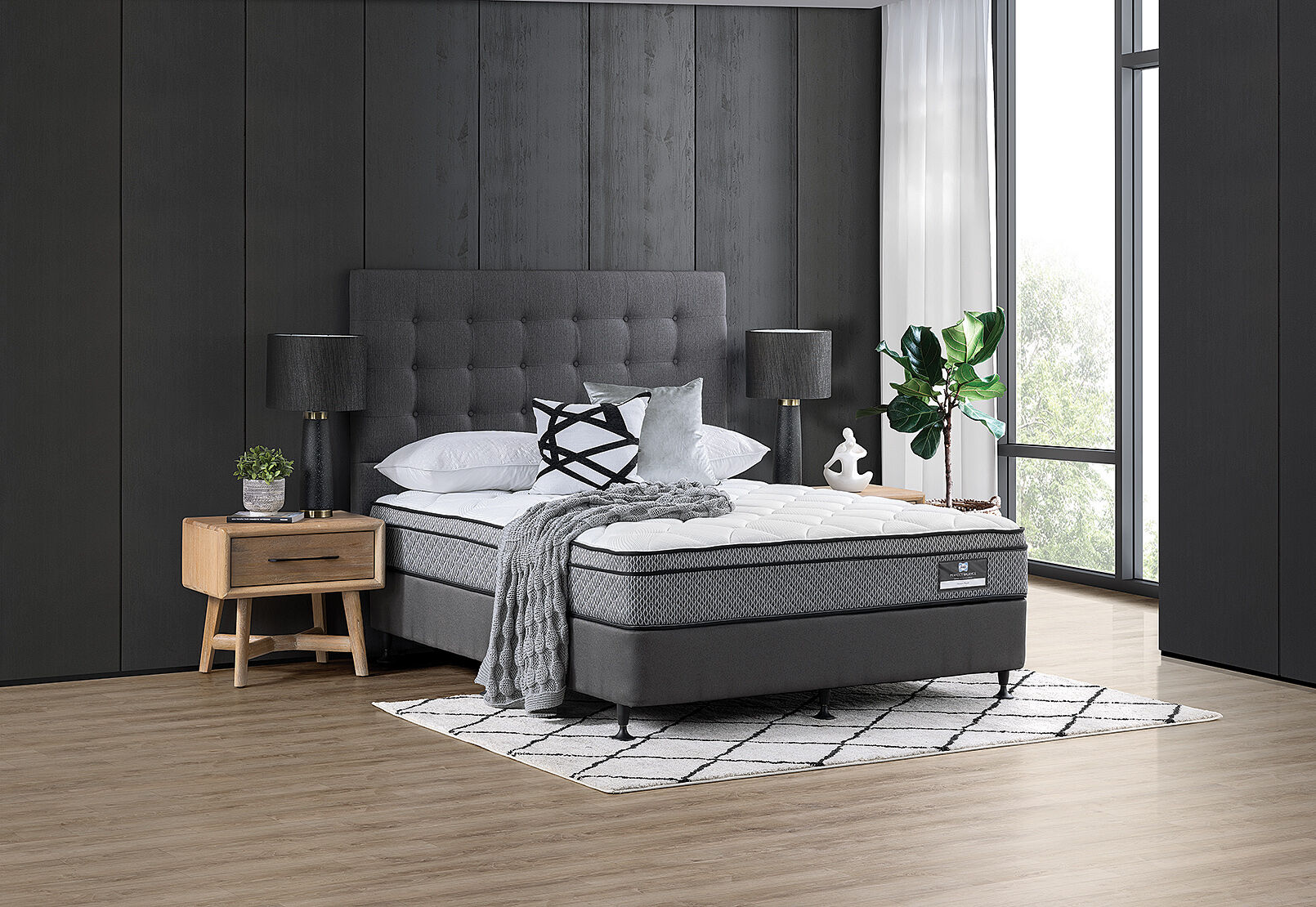
A warranty tells you how long your mattress is protected and what faults are covered. Most cover issues like sagging or faulty materials, but won’t cover wear from everyday use.
Always read the fine print before you buy. A good return policy should give you time to test the mattress at home with a clear process if it’s not the right fit. Knowing this upfront saves frustration later.
Step 6: Time your purchase and learn to negotiate
Mattress sales often peak during end-of-financial-year, Boxing Day, and clearance events when retailers make room for new stock. Timing your purchase around these periods can save you hundreds on different mattress options.
Don't be afraid to ask for a better price, especially in-store. Sales staff can sometimes throw in free delivery, a mattress protector, or price match competitors. Compare mattress options across a few retailers to give yourself leverage, then lock in the best deal and start planning delivery.
Step 7: Prepare for delivery and setup
No one wants to be moving furniture while the delivery team waits outside. A little prep makes delivery day quick and stress-free.
Give yourself a head start with these simple steps.
- Double-check the mattress size against your space and entryways.
- Clear a path from the front door to the bedroom.
- Move or dismantle your old bed if it's being replaced.
- Make sure someone is home during the delivery window.
- If removal is included, strip your old mattress and have it ready to go.
Being ready means your new mattress can settle in straight away.
Step 8: Test the mattress at home during the trial period
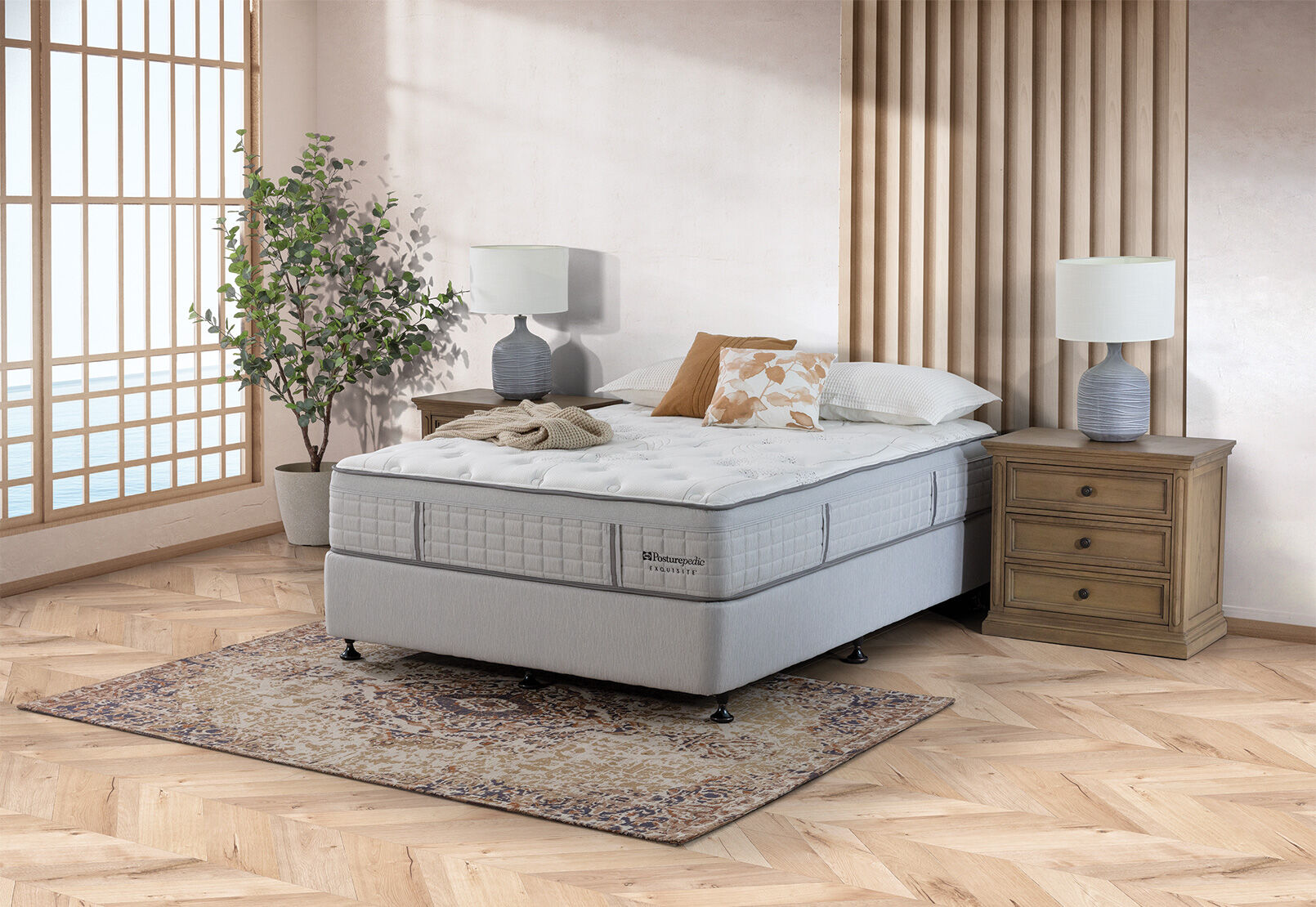
Your mattress might feel great on day one, but reveal issues after a week or two. Give it at least 14 to 30 nights to let your body adjust and the materials settle in.
Pay attention to these signs during the trial:
- Your sleeping position feels supported, with proper spinal alignment for side sleepers or back sleepers.
- You wake up without aches or stiffness in common pressure points like hips and shoulders.
- The mattress provides pressure relief without feeling too soft or too firm for your sleep style.
- Hot sleepers aren't overheating or waking up sweaty during the night.
If something feels off, don't wait until the trial period ends. Contact the retailer and review the return or exchange options covered in your warranty.
Common mistakes to avoid when buying a mattress
Even smart shoppers make avoidable mistakes when buying a mattress. Knowing what to watch out for keeps you from wasting money or settling for less than you deserve.
Steer clear of these common traps:
- Skipping measurements. Ordering the wrong size or a mattress that won't fit through your door is a popular choice for regret.
- Ignoring firmness preferences. What the mattress feels like in-store might not match your body weight or sleep style at home.
- Buying based on looks alone. A pretty design won't help if it causes back pain or lacks proper airflow for hot sleepers.
- Not reading the return policy. You need an exit plan if the mattress doesn't work out after the first few weeks.
Final checklist before you checkout
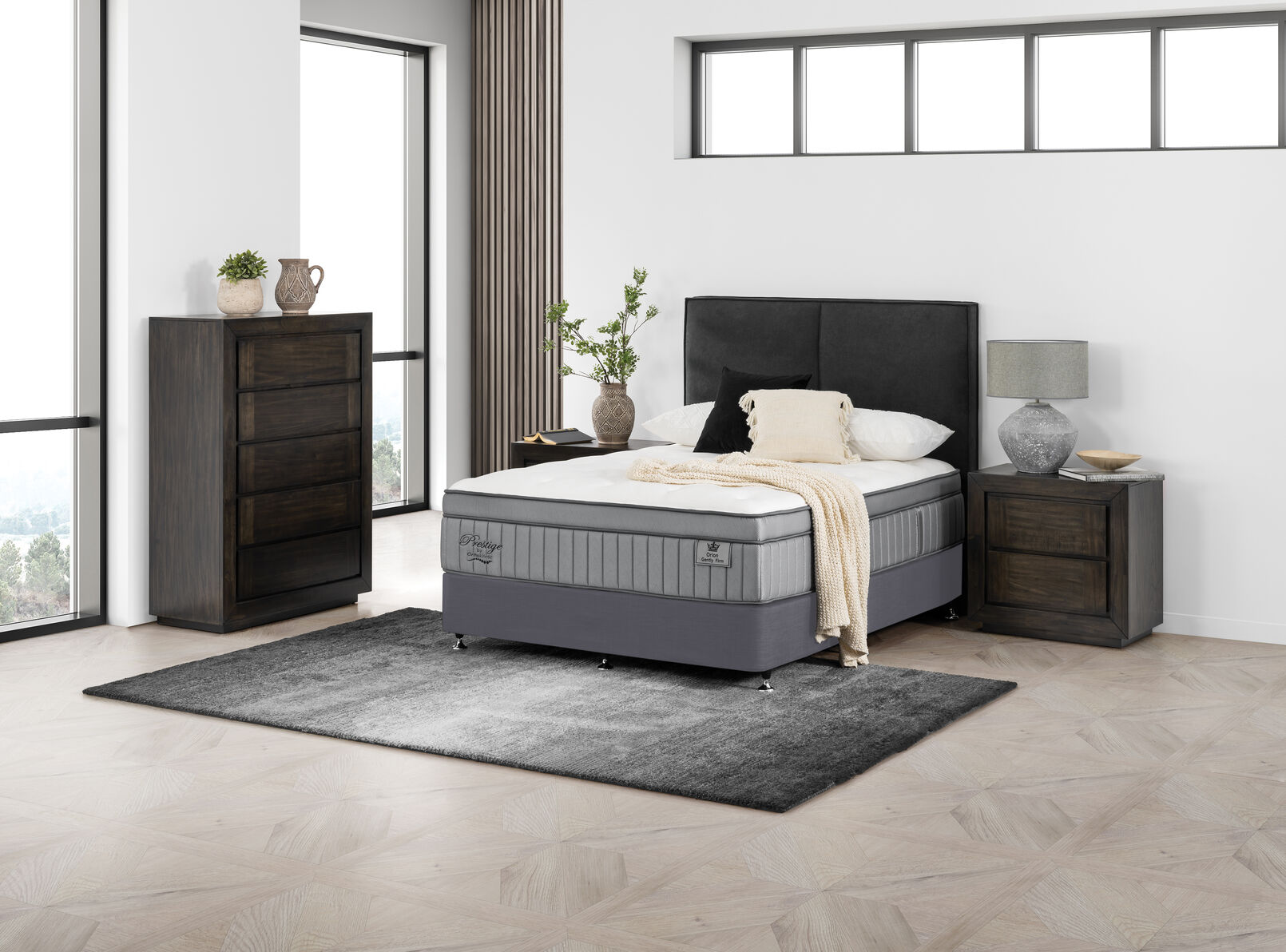
Before you buy, run through this quick list to make sure nothing’s missed. It only takes a minute and can save you time, money, and hassle.
- Measure your room, doorways, and current bed frame.
- Lock in your budget, including delivery and extras.
- Know which type suits your sleep style best.
- Test in store and compare how each mattress feels.
- Understand the warranty and return terms before paying.
- Time your purchase with sales and ask about deals.
- Clear your space before delivery so setup runs smoothly.
Not sure which mattress is right for you? Visit the Sleep Zone at selected Amart stores for a calm, pressure-free space where you can try different mattresses and pillows in comfort. Our trained sleep specialists are there to help you find the right fit based on how you sleep and what you need.
Take the guesswork out of mattress shopping and feel confident you're making the right choice from the moment you lie down.