












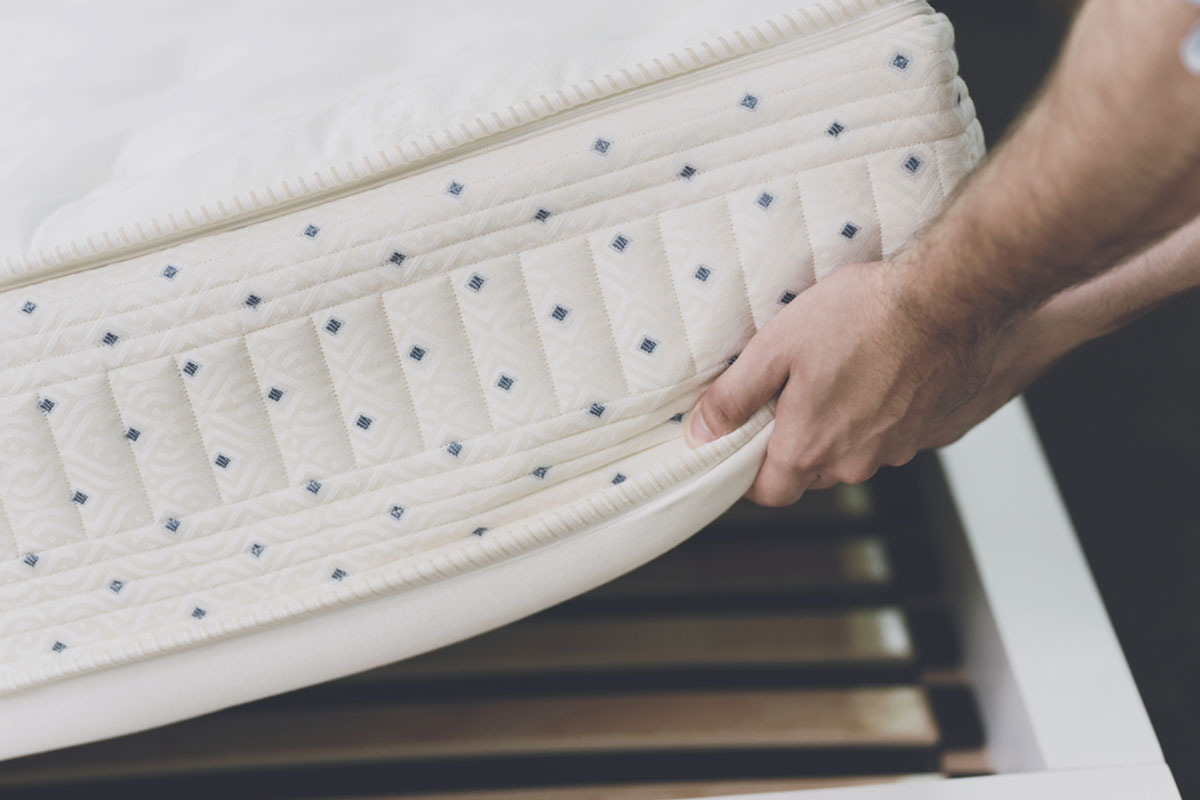
Many Australians hold onto their mattresses far longer than they should. But just like anything else you use every day, your bed wears down.
At Amart, our experts know how much your mattress needs can shift over time. From sagging support to sleep disruptions, we’ll help you recognise the signs that it’s time for mattress replacement so you can get back to a good night’s sleep.
What happens when you sleep on an old mattress?
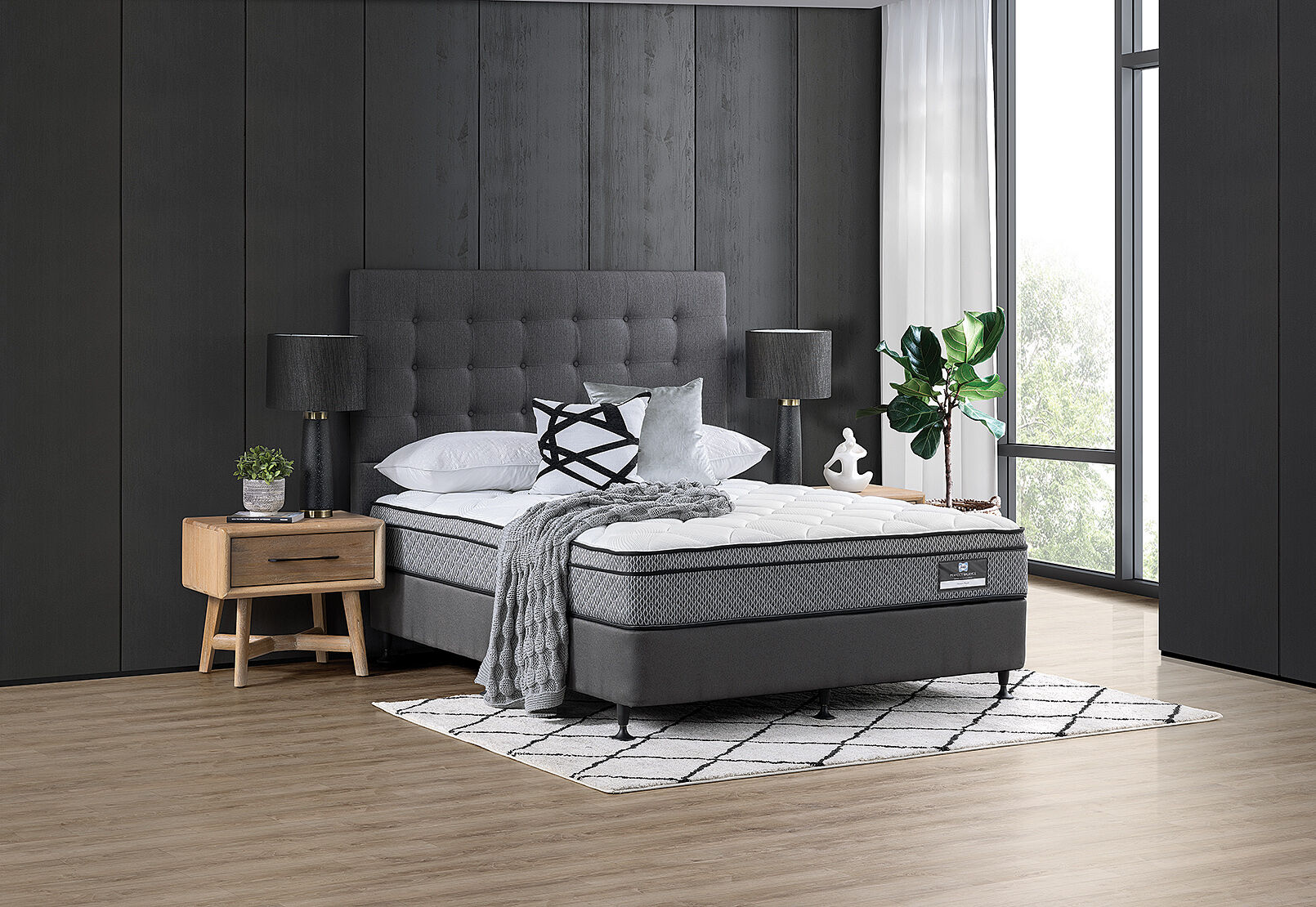
Old mattresses don’t just feel uncomfortable. They quietly impact your rest, posture, and even your health. Replacing them on time can make a big difference to how you feel each day!
The effects of sleeping on a worn-out mattress can build up fast:
- Your spine loses support, which can lead to aches that interrupt restful sleep.
- Mattress sagging often causes poor alignment, affecting overall health over time.
- Dust mites and allergens increase, which isn’t great for your well-being.
Replacing your mattress on time helps you wake up refreshed and supports better sleep quality for years to come.
How often should you change your mattress on average?
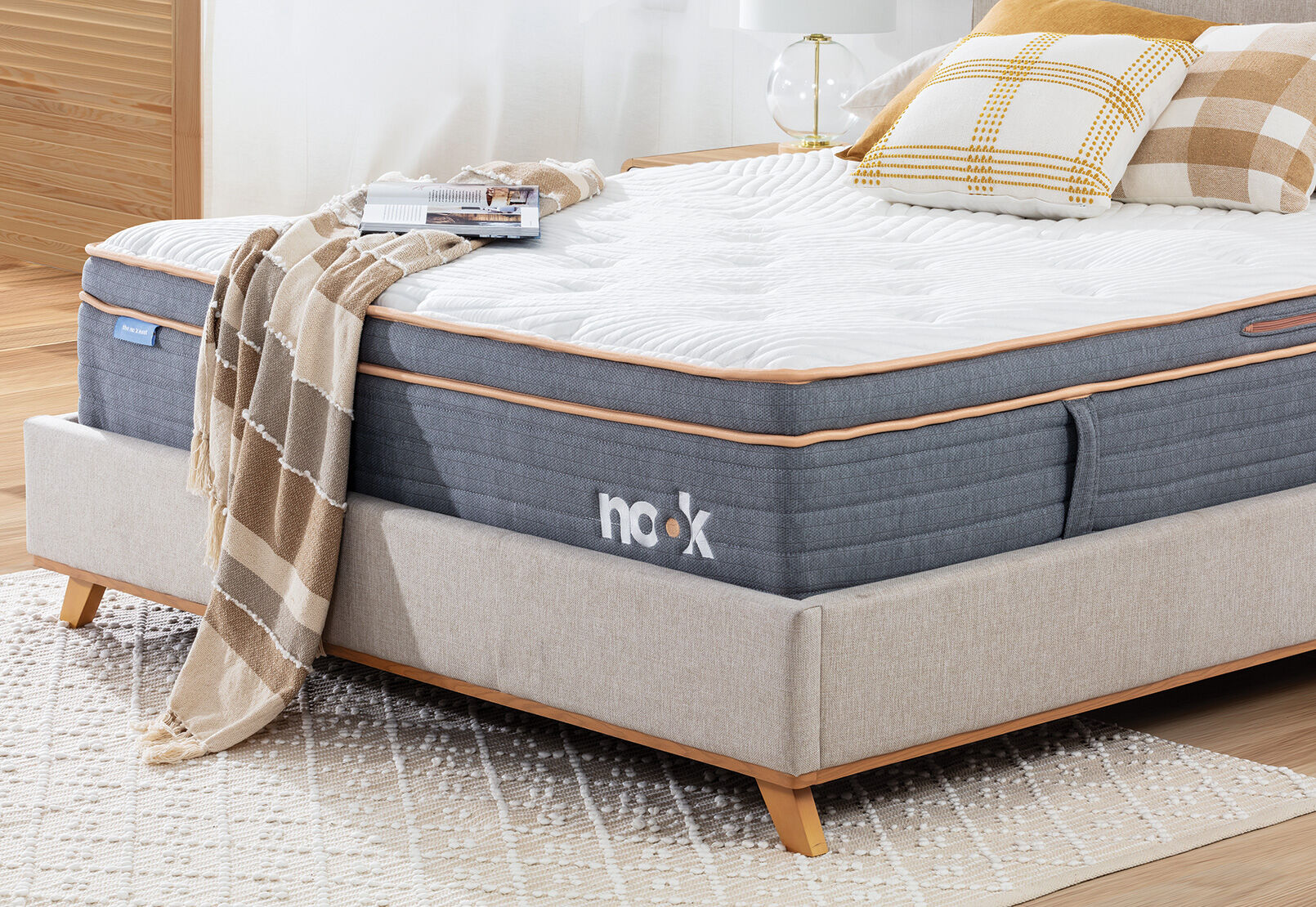
Most mattresses won’t last forever, even the durable ones. On average, the lifespan of a mattress ranges from 7 to 10 years, depending on the material and how it’s used.
Foam and hybrid styles usually sit at the lower end, while latex can stretch a bit longer. If you share your bed or use it every night, you might need a replacement sooner. Lifestyle and care habits play a big role in how long a mattress lasts.
Signs it’s time to replace your mattress
Not sure if your old mattress has passed its prime? Your body and your bed will give you clues long before it completely falls apart.
Watch out for these telltale signs of wear and tear:
- Visible sagging or body impressions: Mattress sagging in the middle or deep dips where you sleep means the support is gone.
- Lumps and uneven surfaces: A saggy, bumpy used mattress won't give you the comfort or alignment you need.
- Waking up with back pain or stiffness: If mornings hurt more than they should, your mattress might be the culprit.
- Allergy flare-ups or poor air quality: Dust mites and allergens build up over time, affecting your breathing and sleep.
Do some mattresses last longer than others?
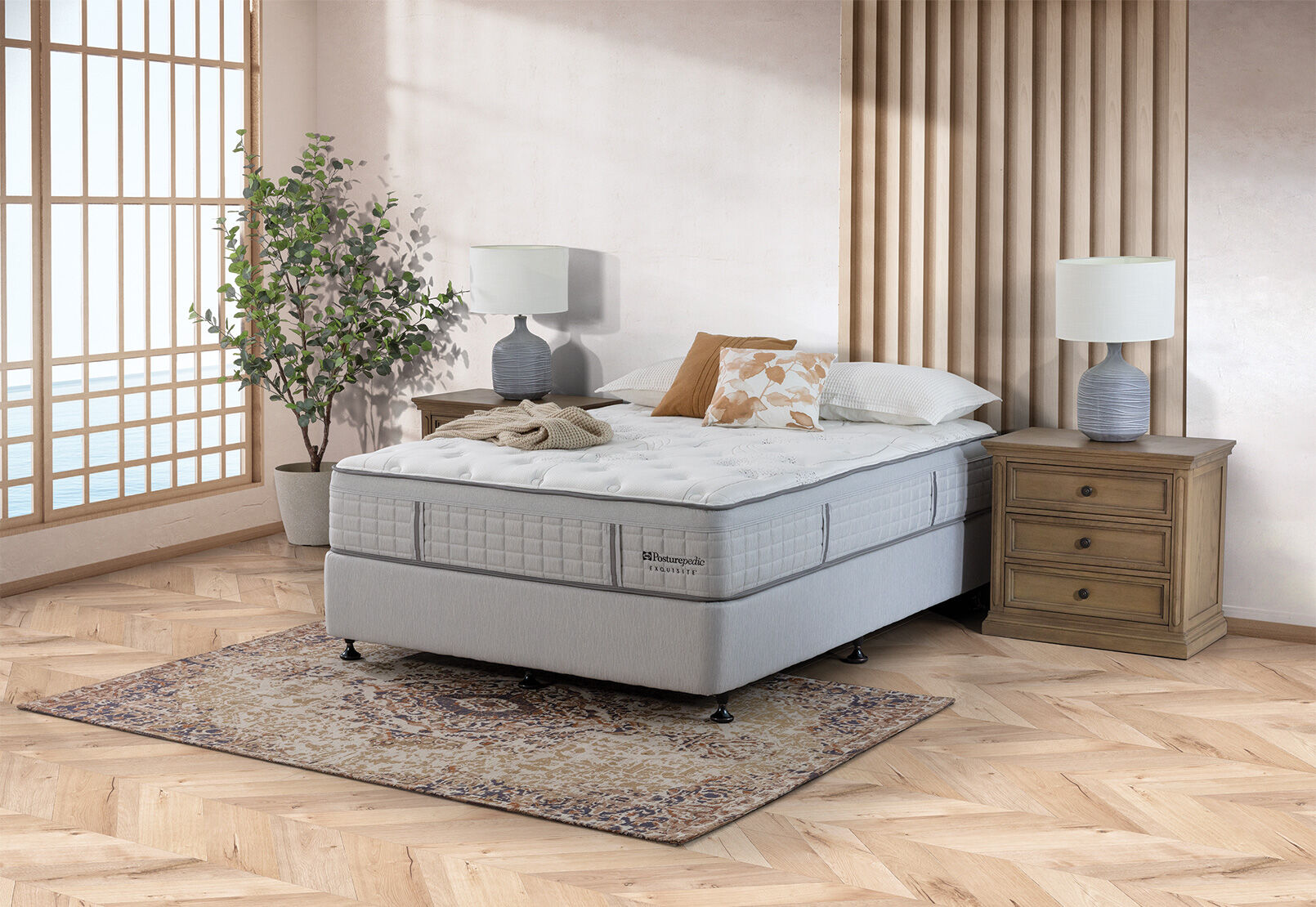
The type of mattress you choose makes a big difference in how long it holds up. Different mattress materials age at different rates, so knowing what you're buying helps set realistic expectations.
Latex mattresses, especially those made with natural latex, tend to last the longest at 10 to 15 years. Memory foam mattresses and foam mattresses typically last 7 to 10 years, depending on density and quality.
Hybrid mattresses fall into a similar range, combining foam comfort with coil support. Innerspring mattresses usually need replacing sooner, often around 6 to 8 years, as the coils wear down faster.
Could your sleep style be wearing it faster?
Your sleeping position and habits can speed up how quickly your mattress breaks down. Side sleepers put more focused pressure on hips and shoulders, which can compress foam or create body impressions faster than back or stomach sleepers.
Heavier body weights demand stronger pressure relief and firmer support, which means the mattress works harder and may lose its comfy feel sooner. Restless sleepers who toss and turn throughout the night also add extra strain that can wear down materials faster than staying still.
Will a premium mattress outlast a cheaper one?
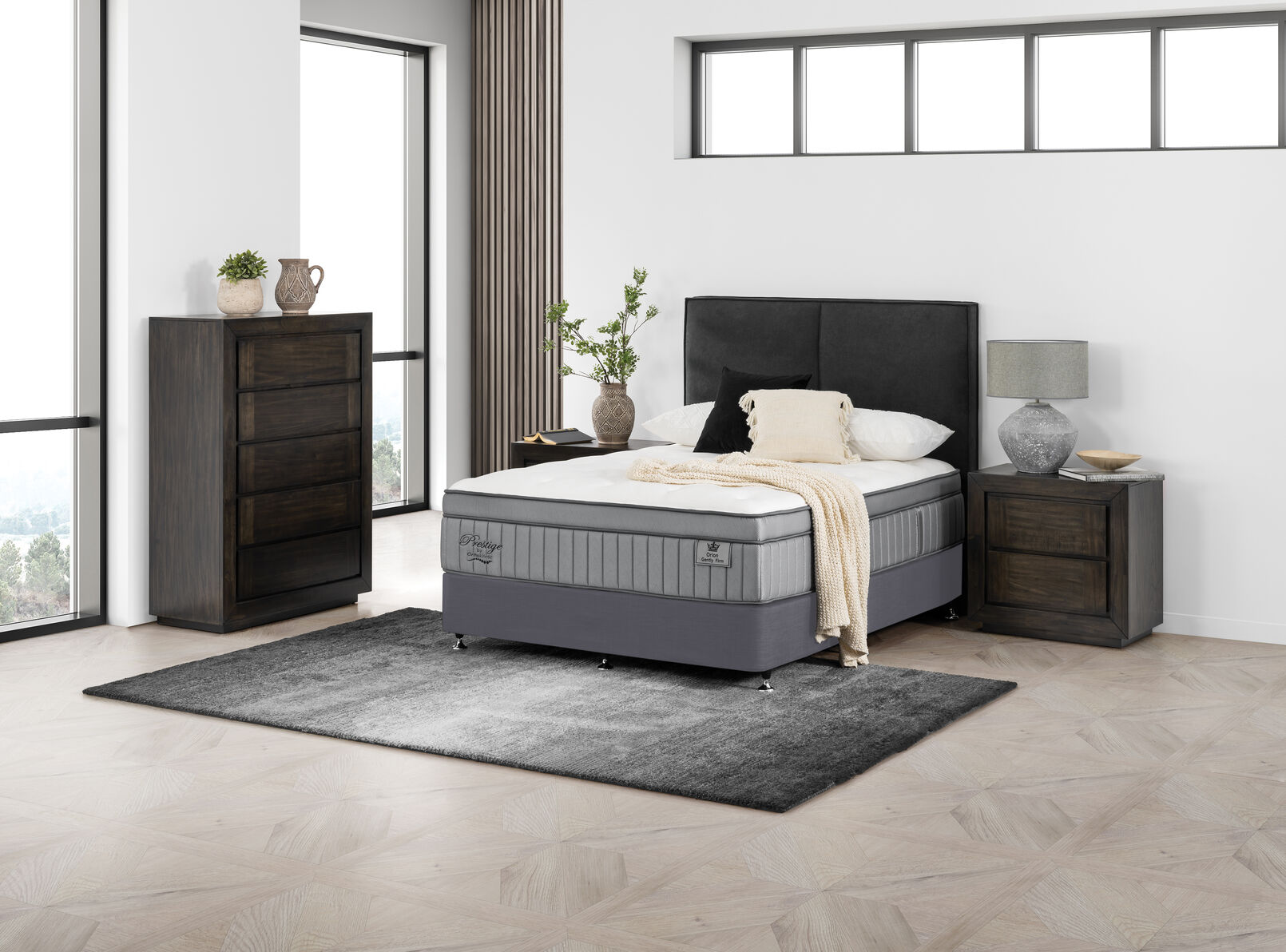
Spending more on a high-quality mattress usually means it lasts longer and performs better over time. The best mattress options use quality materials, stronger comfort layers, and better construction that resist sagging and wear.
Budget models can still be a good mattress choice if you're shopping smart, but they often lack the durability of premium options. Look for the right mattress with a solid guarantee, which shows the brand stands behind its product. At Amart, you'll find mattresses across price points backed by warranty protection, giving you confidence in your investment.
Simple habits that help your mattress last
Good mattress care can add years to your bed's life and keep it feeling fresh. Small, regular habits make a bigger difference than you'd think.
Make these part of your regular routine:
- Rotate your mattress every few months to even out pressure and reduce wear.
- Use a mattress protector to shield against spills, dust, and everyday mess.
- Add a mattress topper for extra comfort and to reduce direct strain on the surface.
- Clean the surface and vacuum regularly to control allergens.
- Check that your bed frame gives proper support, especially through the middle.
The cost of holding onto an old mattress
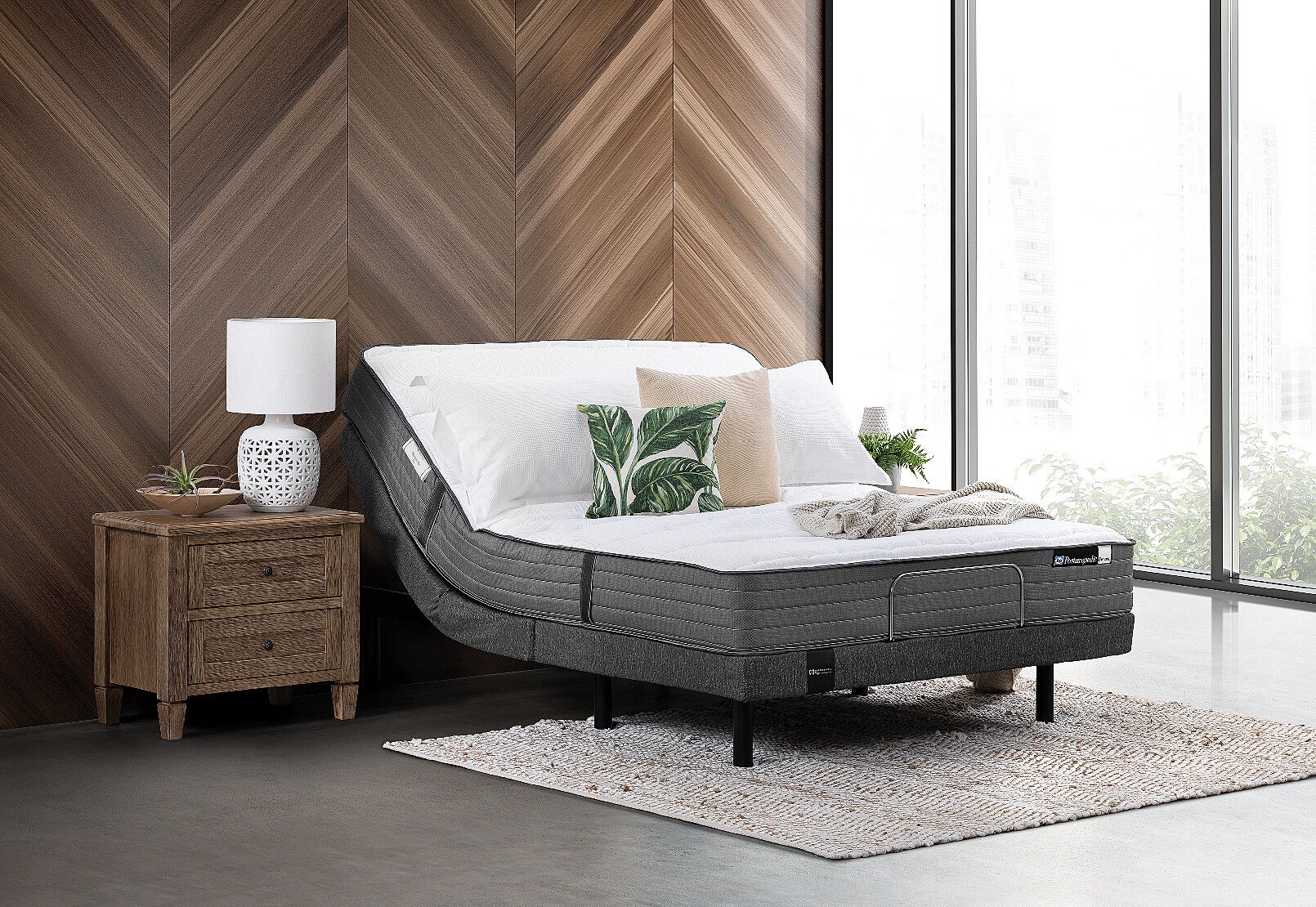
Putting off a mattress replacement might save money now, but it costs you in other ways. The longer you wait, the more your sleep and health take a hit.
These long-term effects are worth thinking about:
- Your partner's sleep suffers too. Tossing, turning, and shifting on a saggy bed disrupts both of you, leaving everyone tired and irritable.
- Hygiene becomes a hidden problem. Years of dead skin cells, sweat buildup, dust mites, and allergens create an environment you wouldn't want to see under a microscope.
- Productivity drops when sleep quality tanks. Poor rest affects your focus, memory, and patience at work and home.
- Small aches turn into bigger problems. Ignoring discomfort now can lead to chronic issues that take longer and cost more to fix later.+
How to get rid of your old mattress
Once you've decided it's time for a new mattress, you'll need to deal with the old one. Getting rid of it responsibly doesn't have to be complicated.
You've got a few solid options to choose from:
- Book a kerbside collection. Local councils in Brisbane, Sydney, Melbourne, Perth, Adelaide and Hobart often collect bulky waste like old mattresses.
- Visit your nearest mattress recycling centre. These centres break down parts for reuse and help reduce landfill waste.
- Ask your retailer. Some stores, like Amart, can help remove your old mattress when delivering the new one.
- Donate if it’s still usable. Charities may accept used mattresses in good condition.
Deciding between fixing and starting fresh
Sometimes, a mattress topper can buy you a bit more time if the damage is minor and the base still feels supportive. But if you're dealing with deep sagging, lumps, or waking up sore, a temporary fix won't solve the real problem.
Investing in a new mattress makes more sense when the structure has broken down or hygiene has become a concern. At Amart, you'll find quality mattresses across all budgets, with options designed to give you comfort, support, and value that lasts.
Shop smart, sleep better, and give your body the rest it actually needs!